Interlinked Reward Systems Extend Free Play Cycles in Digital Slot Networks
Avery Schulz · Aug 1, 2026
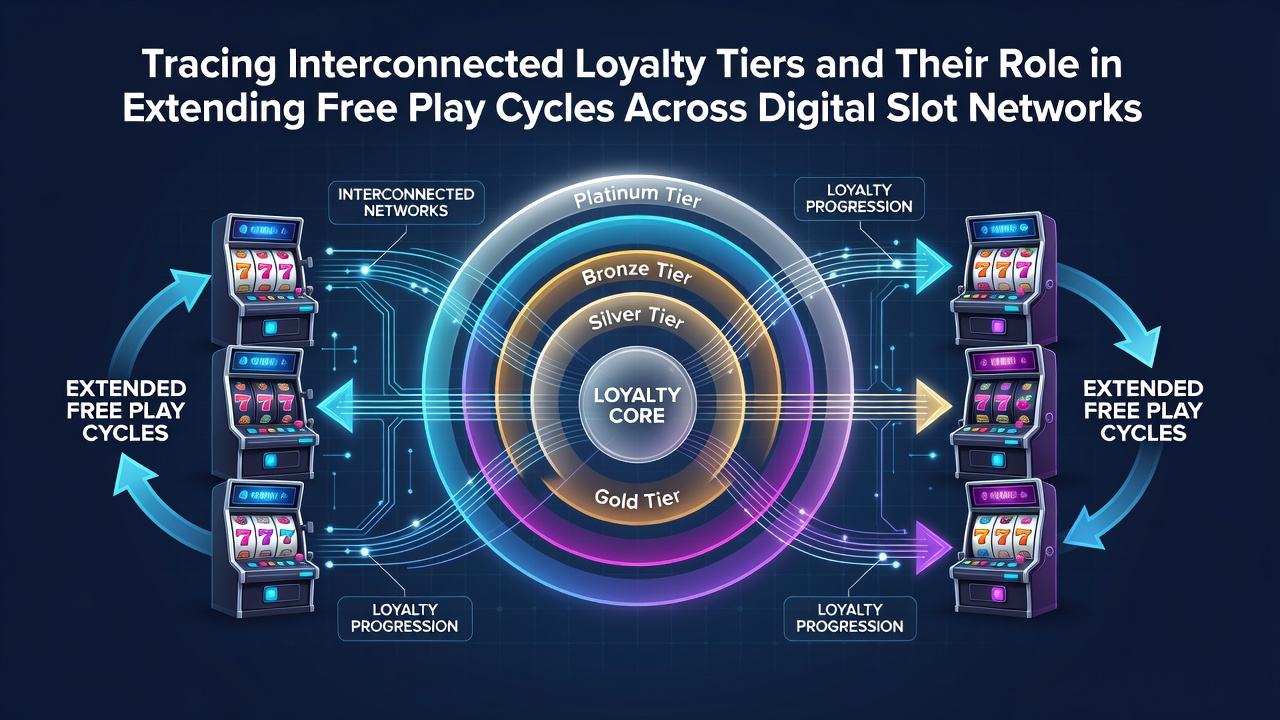
Interlinked Reward Systems Extend Free Play Cycles in Digital Slot Networks
Digital slot networks have developed complex loyalty structures that link player accounts across multiple operators, allowing points earned on one platform to influence status levels and reward access on others. These systems create extended free play cycles because accumulated data from various sites feeds into shared tier calculations, which in turn unlock bonus rounds without requiring additional deposits. Data from industry tracking services shows that such interconnections increased by 18 percent between 2024 and 2026 as operators sought ways to maintain engagement amid changing regulatory landscapes.
Operators typically organize these tiers into progressive levels where basic participation grants entry points, while sustained activity across connected sites accelerates advancement to higher categories. Players who maintain activity in linked networks often receive extended free spin allocations that reset based on combined play volume rather than isolated session data. According to a report published by the European Gaming and Betting Association, multi-site loyalty integrations now cover over 40 percent of major European slot platforms, with point-sharing protocols standardized through common APIs.
Mechanics of Point Transfer and Tier Synchronization
Point transfer protocols operate through centralized databases that record wager amounts, session durations, and bonus redemptions from participating sites, then convert those figures into unified tier scores. When a player reaches a threshold on one network node, the system automatically updates status across linked platforms, which extends eligibility windows for free play features. Research from the University of Nevada's gaming analytics division indicates that synchronized tiers reduce player churn by maintaining reward momentum even when activity shifts between different applications or websites.
Free play cycles lengthen because higher tiers grant multipliers on spin allocations and lower wagering thresholds for converting bonus funds. These multipliers apply across the entire connected network, so a player who qualifies for premium status through combined activity receives the benefit on every participating site rather than starting over on each one. August 2026 figures from several North American operators revealed that interconnected loyalty programs generated an average 27 percent increase in monthly free spin distributions compared with standalone systems.
Network Architecture and Data Sharing Protocols
Modern slot networks rely on secure data exchange frameworks that comply with regional privacy standards while enabling real-time tier updates. Each participating operator contributes raw play metrics to a shared ledger, which algorithms then process to determine collective status levels. This architecture prevents duplication of effort for players and allows reward cycles to continue uninterrupted when users migrate between platforms for variety or promotional differences.
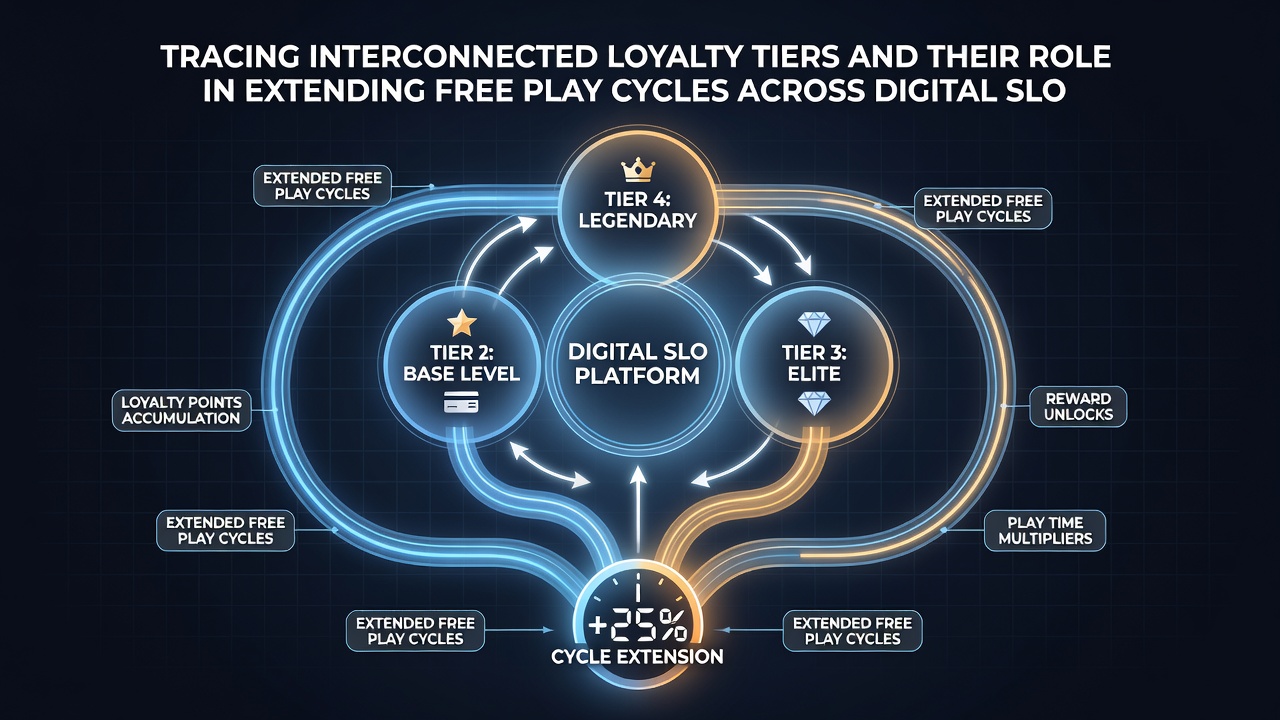
Observers note that smaller operators gain access to larger player bases through these partnerships because tier benefits travel with the user rather than remaining locked to a single brand. Larger networks, meanwhile, benefit from increased overall activity volume that supports more generous reward pools. The result appears in prolonged engagement periods where free play opportunities compound across multiple environments instead of resetting with each new login.
Regional Variations in Implementation
Implementation differs by jurisdiction because local rules govern data portability and bonus structures. In markets with strict advertising limits, interconnected systems emphasize internal point transfers that avoid external promotion, while regions with more flexible frameworks allow cross-brand notifications about tier upgrades. Canadian provincial regulators, for instance, have documented steady growth in loyalty network participation since 2025, with operators reporting higher retention rates when free play extensions span multiple applications.
Technical standards continue to evolve, particularly around encryption methods that protect player information during transfers between competing companies. Industry groups have begun publishing voluntary guidelines that encourage consistent tier calculation formulas, which reduces confusion for users who move between sites. These guidelines also address how free play cycles reset or carry over when network memberships change.
Conclusion
Interconnected loyalty tiers function as a structural element within digital slot networks by pooling activity data and distributing extended free play access accordingly. The mechanisms rely on synchronized databases, standardized point conversions, and regional adaptations that together create longer reward cycles than isolated programs can achieve. As network participation expands through 2026 and beyond, these systems continue to shape how players experience ongoing play opportunities across multiple platforms.