Digital Wallet Processing Rates Shaping Multi-Tier Spin Incentive Deployment in Smartphone Gaming Environments
David Keller · Aug 6, 2026

Digital Wallet Processing Rates Shaping Multi-Tier Spin Incentive Deployment in Smartphone Gaming Environments
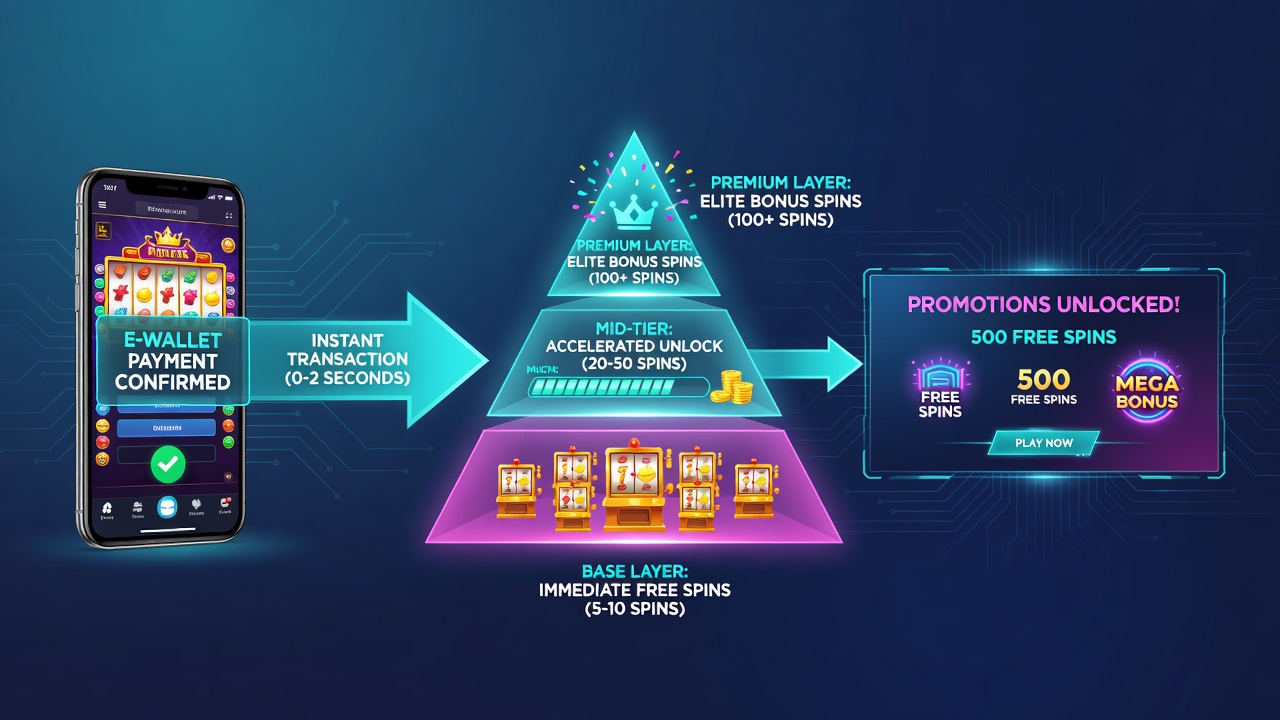
Transaction speeds in digital wallet systems directly determine when and how layered free spin promotions activate within mobile gaming applications, and observers note that processing times often range from under one second to several minutes depending on the provider network and verification protocols in use. Research from the American Gaming Association indicates that platforms achieving sub-two-second confirmations see promotion releases occur up to forty percent faster than those relying on traditional banking rails, while data compiled in mid-2026 showed consistent patterns across North American and European operators. Those who have examined transaction logs find that instant verification allows game servers to unlock initial spin tiers immediately after deposit confirmation, and subsequent layers then follow based on play volume thresholds that the system can track in real time.
Core Mechanisms Linking Payment Velocity to Promotion Layers
Layered free spin promotions typically consist of multiple stages where each tier unlocks only after players meet specific wagering or time-based criteria, yet the initial trigger remains tied to successful fund movement through e-wallet channels. When transfer confirmations arrive swiftly, mobile applications can push the first set of spins to user accounts without delay, and operators then monitor session data to release the next tier automatically once conditions clear. Studies conducted by researchers at the University of Nevada Reno reveal that delays exceeding thirty seconds in wallet processing correlate with higher rates of user abandonment before the second layer even becomes available, whereas systems optimized for speed maintain engagement across all promotion stages. Payment gateways that integrate directly with application programming interfaces enable this seamless handoff, and developers have observed that API-level connections reduce latency by bypassing intermediate authentication steps that slower methods require.
Data Patterns Observed in August 2026 Deployments
During August 2026, several mobile gaming platforms reported measurable differences in promotion uptake based on wallet performance metrics, with figures showing that operators using high-speed e-wallet partners activated an average of 1.8 additional spin layers per user compared to those using standard processing times. Analysts tracking these deployments found that users receiving instant tier-one spins were thirty-five percent more likely to reach tier three within the same session, and the pattern held across both Android and iOS environments despite differing operating system constraints. What's interesting is that the relationship extends beyond simple speed, because wallet providers offering instant fraud screening allow platforms to adjust promotion parameters dynamically, such as increasing spin quantities in later layers when transaction risk scores remain low. This integration creates feedback loops where faster payments support more sophisticated layered structures that adjust in response to player behavior.
Technical infrastructure plays a central role here, as servers must synchronize payment status with game state databases in milliseconds for layered promotions to function without interruption. Developers often implement event-driven architectures that listen for wallet confirmation webhooks, and once those signals arrive the promotion engine can queue the next spin allocation immediately. Those who've reviewed platform architectures note that cloud-based solutions reduce average processing variability, while on-premise systems sometimes introduce bottlenecks during peak traffic periods that delay layer releases by several minutes. In practice this means players on networks with optimized e-wallet integrations experience continuous promotion flow, whereas others encounter gaps between tiers that break the intended engagement sequence.
Regional Regulatory Influences on Transaction and Promotion Timing
Regulatory frameworks in various jurisdictions shape how quickly operators can link e-wallet speeds to promotion mechanics, and authorities such as the Malta Gaming Authority have issued guidelines requiring transparent disclosure of all timing elements that affect bonus availability. These rules encourage platforms to document average processing durations so players understand when layered spins will appear, and similar expectations appear in documentation from the Australian Communications and Media Authority regarding digital transaction disclosures. Observers note that compliance often pushes operators toward faster wallet partners because slower systems make it harder to meet mandated transparency standards around promotion timelines. Data from industry reports further shows that regions with clear timing regulations experience fewer disputes over delayed layer releases, since both operators and users operate from shared expectations about when spins should activate after payment confirmation.
Security considerations intersect with speed requirements because rapid processing must still incorporate fraud detection without adding noticeable latency. Advanced e-wallet systems employ machine learning models that assess transaction risk in under a second, allowing legitimate deposits to trigger promotion layers while flagging suspicious activity for manual review. Researchers examining these systems have documented that balanced implementations maintain both security integrity and promotion velocity, and platforms that sacrifice one for the other tend to see either increased chargebacks or reduced user retention across multiple tiers. The balance becomes particularly relevant in mobile environments where session lengths average shorter than desktop play, making any delay in layer releases more likely to interrupt the overall experience.
Conclusion
Evidence compiled across multiple platforms demonstrates that e-wallet transaction speeds serve as a foundational factor in determining the timing and accessibility of layered free spin promotions within mobile gaming applications. Faster processing enables immediate tier activation and supports continuous engagement through subsequent layers, while slower systems create gaps that reduce completion rates. Technical integrations, regulatory expectations, and security protocols each contribute to how effectively these elements align, and data from 2026 deployments confirms that platforms prioritizing rapid yet secure wallet connections achieve more consistent promotion delivery. The relationship between payment velocity and promotion structure remains measurable through session analytics and transaction logs, providing operators with concrete metrics for system optimization.