Biometric Integration Streamlining Reward Claims in British Mobile Reel Environments
David Keller · Jul 30, 2026
Biometric Integration Streamlining Reward Claims in British Mobile Reel Environments
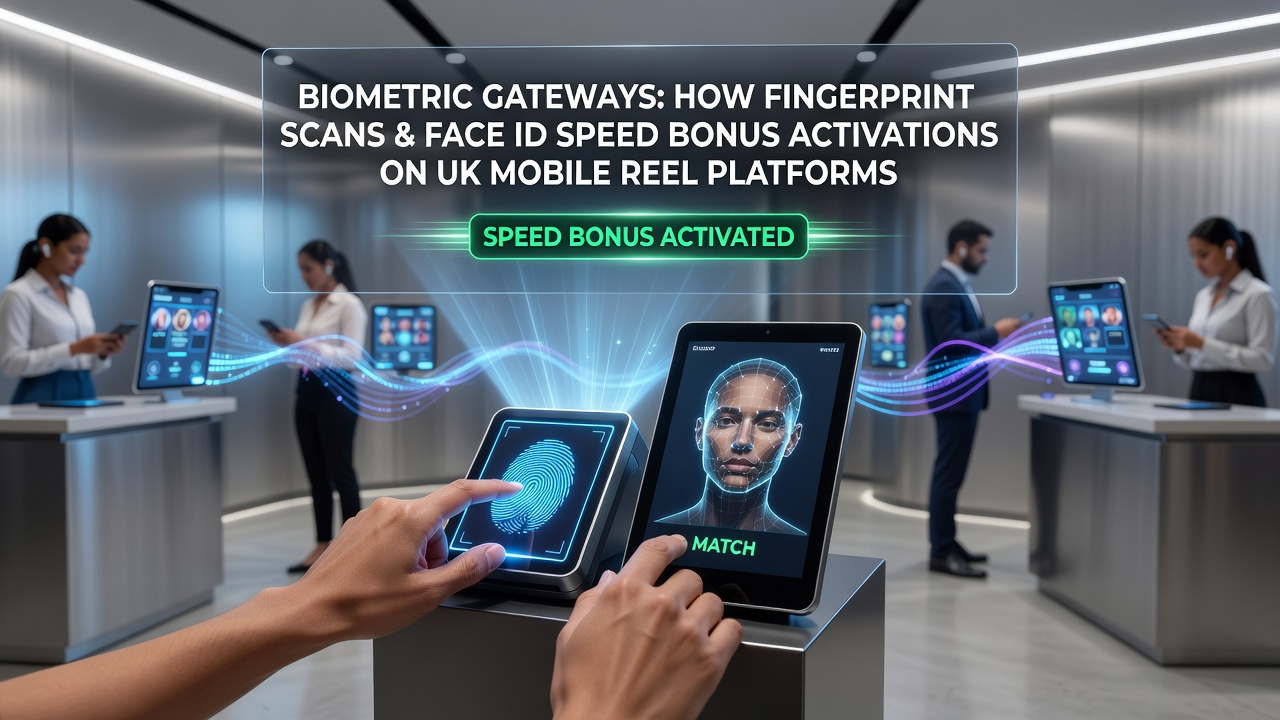
Biometric gateways have emerged as a central component in mobile reel applications across Britain, where fingerprint scans and facial recognition tools reduce the steps required to activate promotional offers, and operators report that these systems cut verification times by measurable margins while maintaining security protocols that align with existing data protection standards.
Core Mechanisms Behind Biometric Bonus Processing
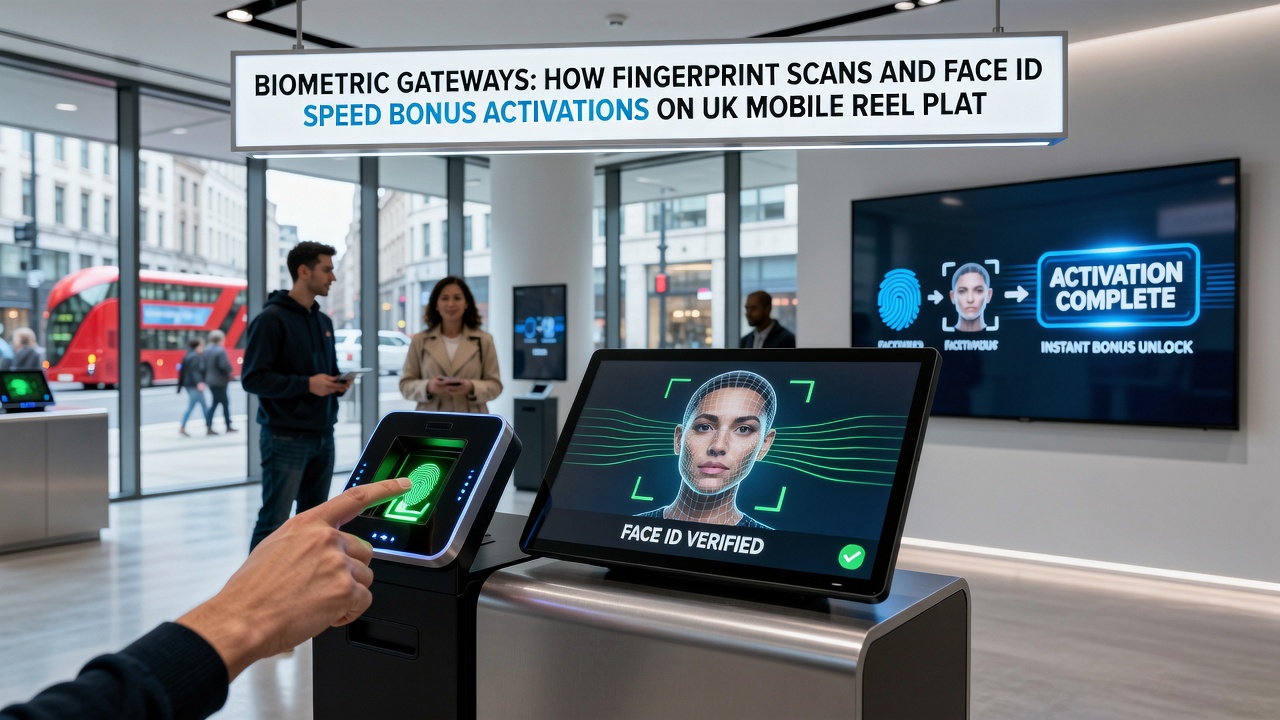
Users encounter fingerprint or Face ID prompts immediately after selecting a bonus offer, and the device authenticates identity through stored templates rather than requiring repeated entry of account credentials or codes, while the platform cross-references the biometric data against registered profiles to confirm eligibility in seconds. This approach replaces older methods that involved manual code input or email confirmation, and data collected by platform analytics teams shows average activation durations dropping from over two minutes to under thirty seconds in many cases.
Developers integrate these gateways through secure APIs that comply with mobile operating system standards, and the process maintains an audit trail for each transaction so that regulatory oversight bodies can review activation logs without accessing raw biometric information. In July 2026 several major operators updated their systems to support multi-factor biometric checks that combine fingerprint data with brief facial scans, and this layered approach further lowered instances of failed activations caused by temporary sensor errors.
Adoption Patterns Among UK Reel Platforms
Platform operators have rolled out biometric features at varying rates, yet the majority of top-ranked mobile applications now default to these methods for bonus claims because they reduce support ticket volume related to login issues. Research from industry monitoring groups indicates that adoption climbed steadily through late 2025 and into 2026, with smaller sites following the lead of larger networks that first implemented the technology in 2024. Observers note that seamless integration with device hardware allows even mid-tier platforms to offer the same speed advantages previously available only on premium applications.
Technical and Security Considerations
Encryption protocols wrap biometric templates before they leave the device, and platforms store only mathematical representations rather than actual images, which limits exposure in the event of a data incident. A 2025 report from Australian gaming research examined similar systems and found that properly configured gateways maintained false acceptance rates below industry thresholds while improving user completion rates for promotional flows. Those same findings highlighted the importance of fallback options such as PIN entry for users whose devices lack compatible sensors or who prefer not to enable biometric features.
Hardware variations across phone models create occasional compatibility hurdles, yet developers address these through software updates that refine sensor calibration and add support for newer devices released in early 2026. Platform teams also monitor regional differences in mobile usage, and British users show higher rates of biometric enablement compared with some international markets according to aggregated usage statistics.
Impact on User Behavior and Platform Metrics
Analytics dashboards reveal that players complete bonus activation sequences more consistently once biometric options appear as the default path, and this consistency translates into higher engagement with the associated reel titles during the promotional window. Case examples from several networks demonstrate that the reduction in friction correlates with increased retention of new accounts during their first week, although causation remains difficult to isolate from other marketing variables. A university study on mobile authentication published in 2025 noted parallel trends in non-gaming applications, where biometric shortcuts produced measurable lifts in task completion without compromising user perception of security.
Operators continue to refine notification timing so that biometric prompts appear only when a user has already navigated to the bonus section, thereby avoiding unnecessary interruptions during regular play sessions. This careful placement keeps the feature helpful rather than intrusive, and feedback collected through in-app surveys indicates broad acceptance among frequent users.
Future Developments in Biometric Reward Systems
Industry engineers explore expanded uses such as voice pattern recognition for larger bonus tiers and continuous authentication that verifies identity throughout a session rather than only at activation, yet these extensions remain in testing phases as of mid-2026. Hardware improvements in under-display fingerprint sensors and higher-resolution front cameras support more reliable readings across lighting conditions common in everyday mobile use. Regulatory frameworks outside Britain continue to influence design choices, and platforms incorporate lessons from international standards to stay ahead of potential compliance shifts.
Conclusion
Biometric gateways now form a standard layer in the bonus activation pipeline for British mobile reel platforms, delivering documented reductions in processing time while preserving the security measures required by data regulations. Fingerprint and Face ID implementations have matured through iterative updates, and usage statistics through July 2026 reflect sustained growth in adoption alongside steady improvements in reliability. As device capabilities advance and integration methods refine further, these systems stand positioned to handle an increasing share of promotional workflows without additional friction for end users.