Application Evolution Patterns Shaping Layered Reward Access in UK Slot Platforms
Bianca Vogel · Aug 13, 2026
Application Evolution Patterns Shaping Layered Reward Access in UK Slot Platforms
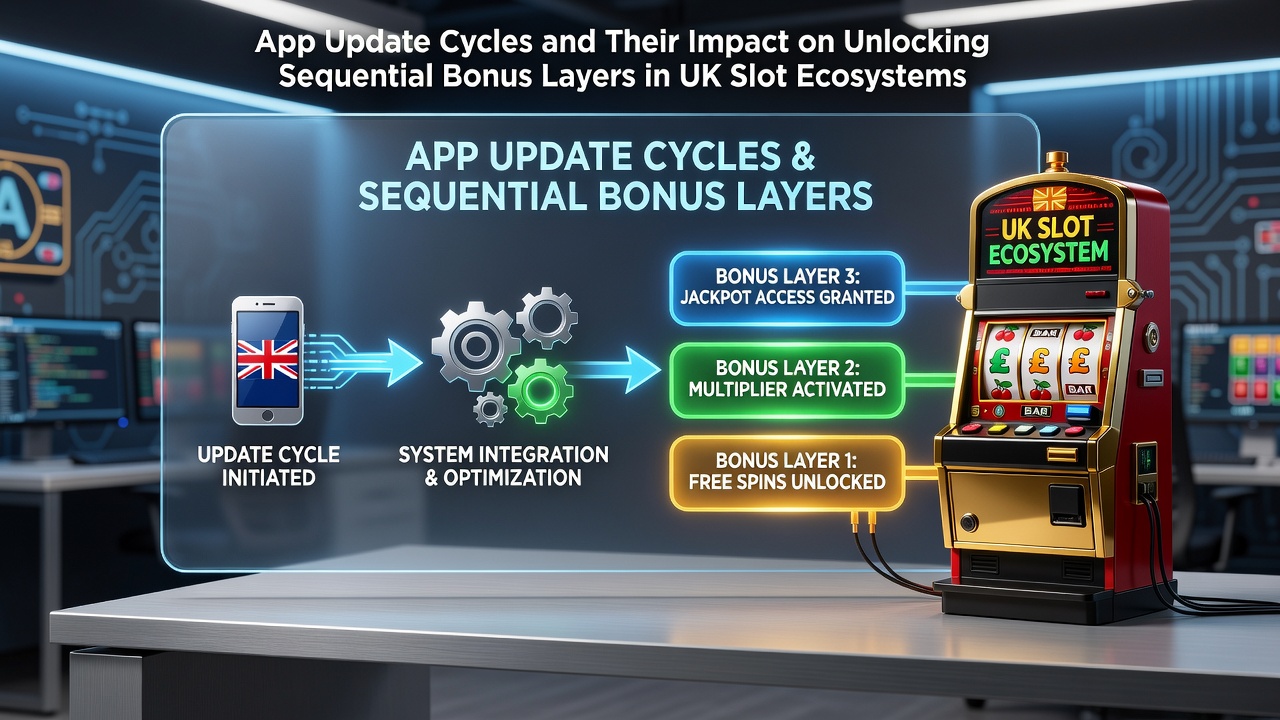
Application refresh schedules in the UK slot sector operate on predictable quarterly cycles that coincide with hardware advancements and regulatory compliance checks, while developers roll out patches to address security vulnerabilities and introduce new game mechanics. These updates often reset progress trackers for sequential bonus layers, which means players must restart accumulation sequences after each deployment. Data compiled by industry monitoring services shows that major operators pushed through an average of four major app revisions between January and August 2026, each one carrying potential side effects on how bonus vaults unlock over multiple sessions.
Mechanics Behind Sequential Bonus Structures
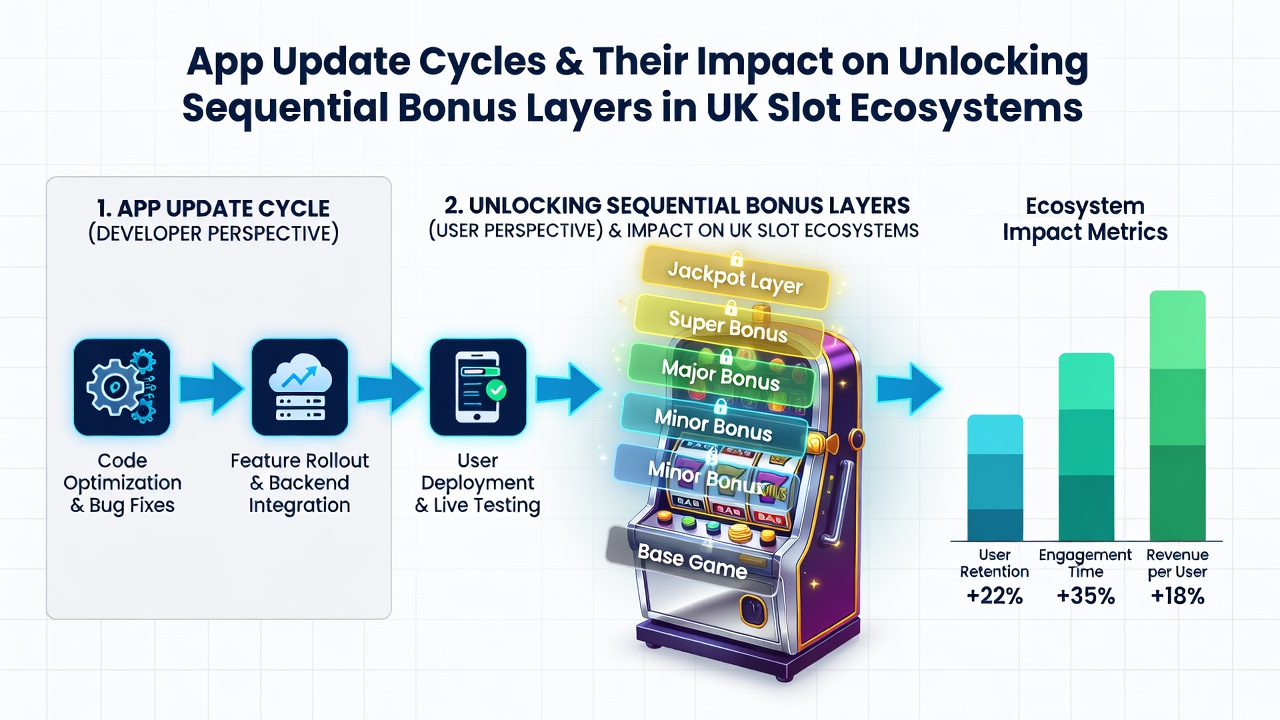
Sequential bonus layers function as tiered reward systems where users complete one set of wagering or spin requirements before the next layer becomes available, and this progression typically spans several days or weeks within a single application version. When an update arrives, the underlying code that tracks completion states may clear or shift, forcing participants to reinitiate the chain from the initial tier. Observers note that this pattern appears most frequently in mobile-first environments because apps handle local data storage differently than browser-based platforms, and synchronization errors surface during the transition periods that follow each release.
Timing Patterns and Player Progress Disruptions
Developers tend to schedule larger updates during mid-month windows to minimize peak-hour interference, yet these intervals still overlap with active bonus campaigns that run across UK networks. Research from the European Gaming and Betting Association indicates that synchronization failures occur in roughly 18 percent of update events, which leads to temporary loss of visibility into unlocked layers until backend reconciliation completes. Players who maintain multiple accounts across different apps encounter compounded effects because staggered update schedules prevent simultaneous access to all active sequences at once.
Smaller patches released weekly focus on minor bug fixes and rarely touch bonus logic, whereas major version jumps incorporate new payment integrations or game additions that rewrite the entire progression framework. Those who study these ecosystems point out that the August 2026 wave of updates coincided with several providers adopting stricter device compatibility standards, which accelerated the retirement of older app versions still holding partial bonus progress for many users.
Regional Comparisons and Technical Factors
Similar dynamics appear in other regulated markets, and a report issued by the University of Nevada's International Gaming Institute highlights how Australian operators experienced comparable reset rates after their 2025 compliance-driven updates. In the UK context, the emphasis on real-time data syncing between devices and central servers creates additional friction points during the update window, since cached bonus states must be validated against fresh server records. Operators that employ cloud-based tracking systems report fewer interruptions than those relying on device-resident databases, because the former allows seamless migration of player progress across version changes.
Network latency during rollout periods further compounds the issue, as users attempting to claim newly unlocked layers encounter delays while the app verifies updated rule sets. Industry analysts tracking these events note that the length of each disruption correlates directly with the complexity of the bonus architecture, and layered systems involving cross-game interactions require longer reconciliation times than single-title sequences.
Operator Strategies for Minimizing Interruptions
Some providers implement pre-update data migration tools that transfer existing bonus progress into temporary storage before the new version installs, and this approach has reduced reported reset incidents by up to 40 percent according to internal metrics shared with trade publications. Others stagger releases across user segments so that only a portion of the player base receives the update at any given moment, which allows support teams to monitor and correct issues before full deployment. These methods demonstrate how technical choices made during the development phase influence the stability of sequential reward pathways once the application reaches end users.
Conclusion
Application update cycles continue to intersect with sequential bonus mechanisms across UK slot platforms in ways that affect access timing and completion rates. The patterns observed through mid-2026 reveal consistent correlations between version releases and temporary progress disruptions, while mitigation techniques adopted by certain operators point toward potential improvements in future cycles. Continued monitoring by research bodies and industry groups will determine whether these technical adjustments stabilize layered reward systems over the longer term.